




Halal meat hygiene standards are a critical part of delivering meat that is safe, clean, and suitable for consumption. These standards protect consumers and uphold the integrity of halal practices throughout the supply chain.
The process begins with a clean slaughter environment. Halal slaughter must be performed in sanitary conditions using clean water and sterilized tools. A hygienic environment minimizes contamination risks at the earliest stage.

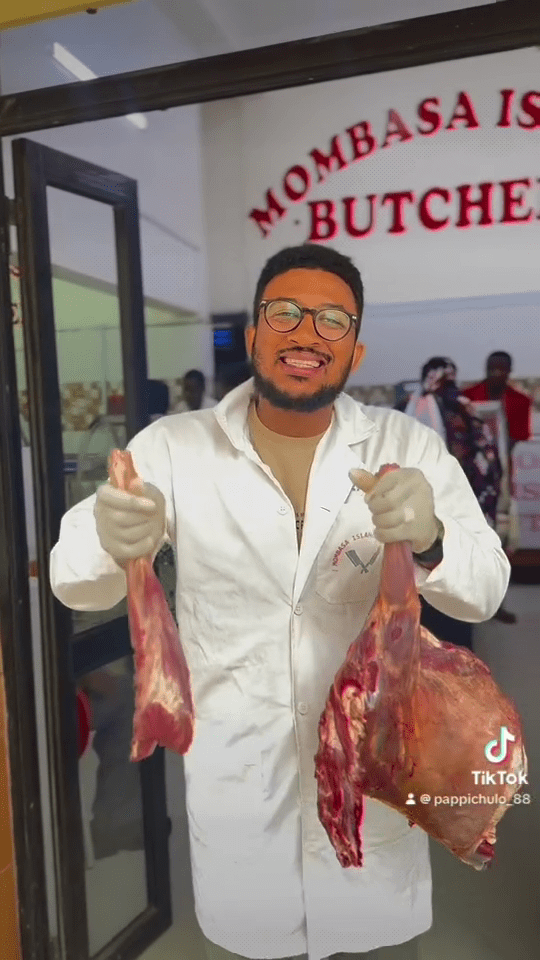
After slaughter, proper meat handling is essential. Meat should be processed on clean surfaces using separate tools to prevent cross-contamination. Gloves, aprons, and protective clothing help maintain cleanliness during preparation.

Temperature control and storage are also vital. Fresh halal meat must be stored at controlled temperatures to slow bacterial growth. Reliable refrigeration preserves texture, taste, and shelf life while ensuring safety.
Staff hygiene plays a major role in maintaining halal meat hygiene standards. Trained personnel follow strict cleanliness routines, including handwashing and tool sanitation. Poor personal hygiene can compromise even the highest-quality meat.
Packaging is another key component. Food-grade, sealed packaging protects meat from exposure to air, moisture loss, and external contaminants. Proper packaging also helps maintain freshness during transport.
For consumers, visible hygiene practices build confidence. Clean display areas, organized workspaces, and fresh-smelling environments signal professionalism and care.
Ultimately, halal meat hygiene standards ensure that meat is not only religiously compliant but also safe and wholesome. Buyers benefit from better quality, longer freshness, and reduced health risks when hygiene is treated as a priority.
Click here to shop our products
Click here to like our facebook page
Click here to follow our instagram page
- What are halal meat hygiene standards?
Halal meat hygiene standards include clean slaughter environments, proper handling, temperature control, staff hygiene, and contamination prevention.
- Why is hygiene important in halal meat preparation?
Hygiene prevents bacterial contamination, preserves freshness, and ensures meat is safe and wholesome for consumption.
- How can customers identify good halal meat hygiene practices?
Customers can look for clean facilities, organized workspaces, proper packaging, and visibly hygienic staff practices.