




Halal meat prices Kenya consumers encounter are influenced by several important factors that go beyond simple weight or portion size. Understanding these factors helps buyers make informed decisions while balancing quality, affordability, and trust.

One of the biggest contributors to pricing is the quality of livestock. Animals raised in healthy conditions with proper feeding, produce better-tasting, tender meat. These animals require higher investment, which directly affects final pricing.
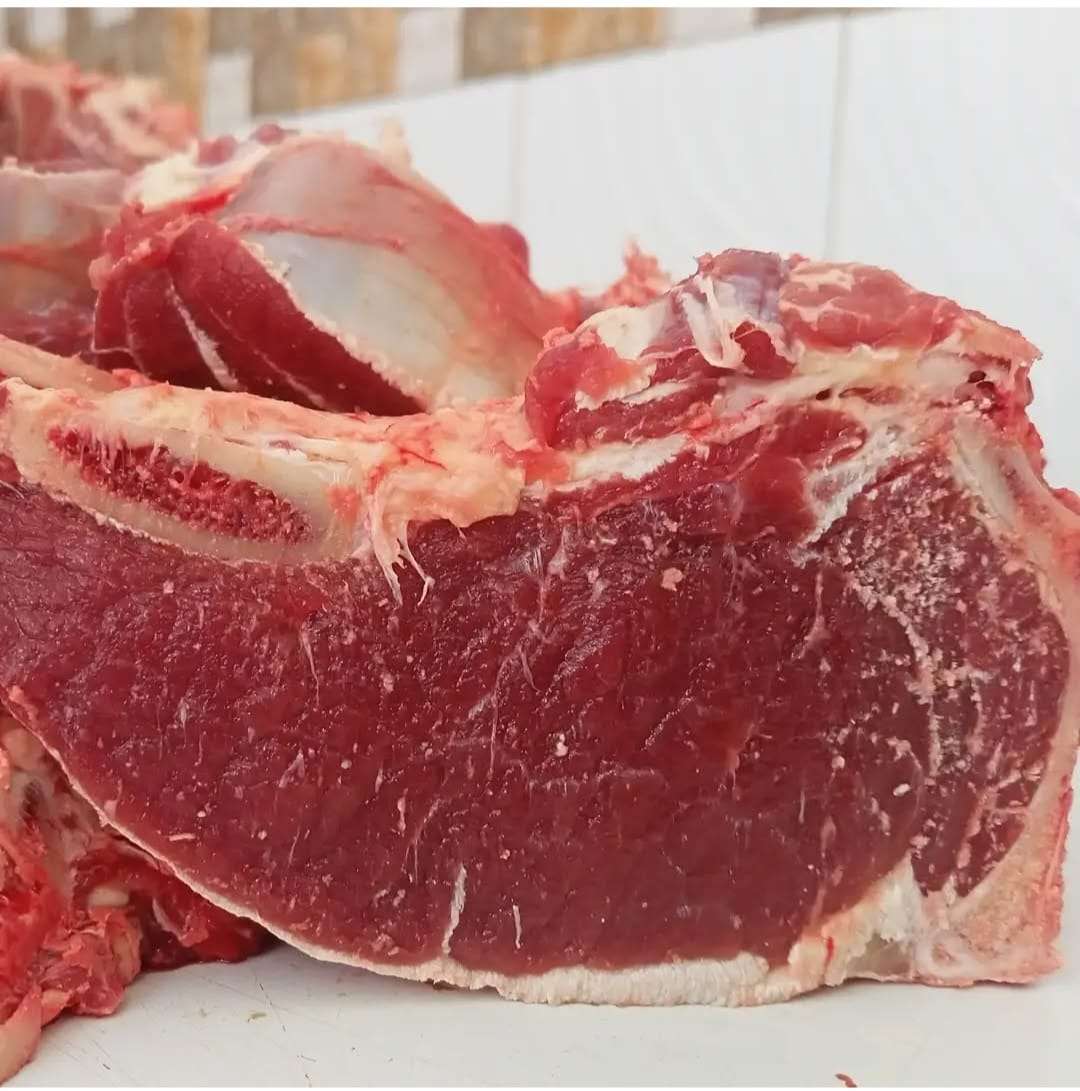
Another key factor is the type of meat and cut selected. Prime beef cuts such as steaks cost more than tougher cuts used for stews. Goat and lamb typically carry higher prices due to limited supply and higher demand. Chicken prices fluctuate based on feed costs and seasonal demand.

Halal slaughter compliance also affects cost. Proper halal slaughter requires trained personnel, specific handling procedures, and strict adherence to religious guidelines. These processes add operational expenses but guarantee ethical and lawful preparation.

Hygiene and food safety standards further influence halal meat prices Kenyan buyers see. Clean facilities, sanitized equipment, cold storage, and proper packaging all require ongoing investment. Butcheries that maintain these standards often price their meat fairly to sustain quality.
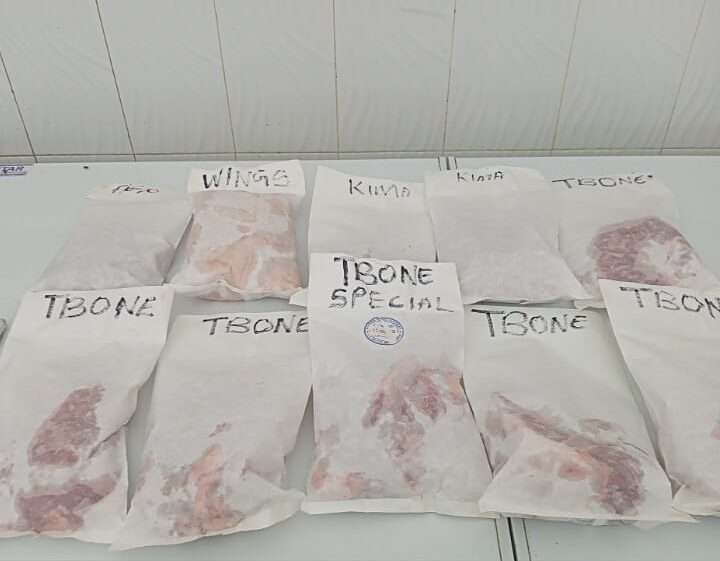
Market forces also play a role. Demand increases during weekends, holidays, and festive seasons, causing prices to rise temporarily. Limited supply of certain meats can also impact availability and cost.

Lastly, value-added services such as pre-cut portions, packaging, and delivery contribute to pricing while offering convenience to customers.
In summary, buying your meat from a certified halal butcher ensures better taste, safety, and peace of mind
Click here to shop our products
Click here to like our facebook page
Click here to follow our instagram page
Halal meat prices in Kenya vary due to differences in livestock quality, hygiene standards, halal compliance costs, and value-added services like packaging or delivery.
Yes. Halal slaughter requires trained personnel and specific procedures, which increase operational costs and influence final pricing.